Open to UX research, Research Operations & AI design roles
I research and design how people interact with AI systems.
A data-driven, human-centred user researcher helping you personalize and integrate responsible AI, and design better systems.
MontréalM.Sc. User Experience, HEC MontréalCertified Project Manager (CAPM)
I'm a human-centred UX researcher with three years of experience across government, nonprofit, and private sectors. I came to UX from neuroscience.
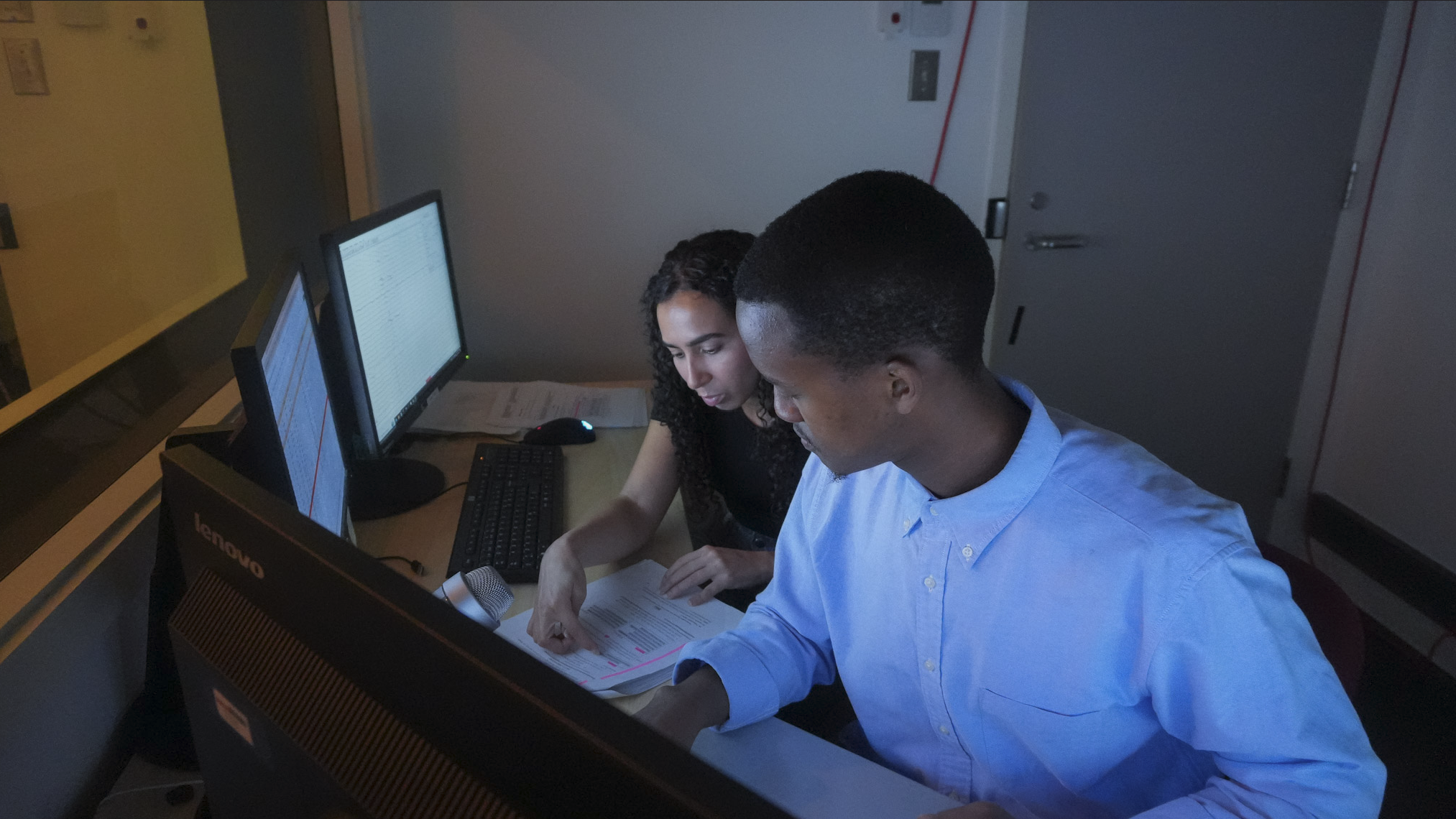
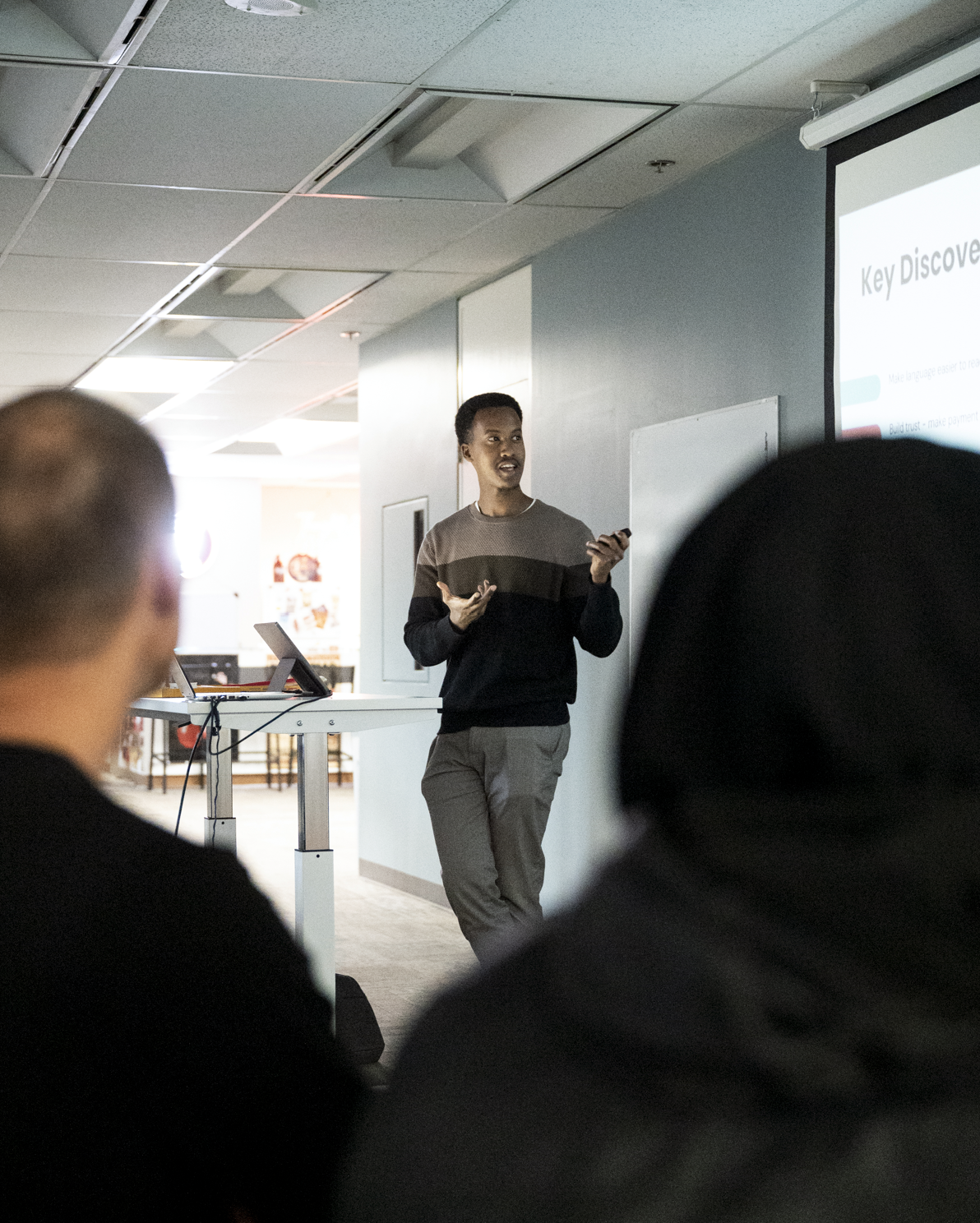
IMAGEimages/uk-observation.pngModerating a live study at Tech3Lab with neurophysiological tools (EEG)IMAGEimages/uk-presenting.pngPresenting findings and running a workshop
I use a full spectrum of qualitative and quantitative methods, bridging behavioural, self-reported, and physiological data to inform design decisions. I'm interested in designing human-centred experiences, from service flows to AI systems, that meet business goals and solve real human problems.
Good research saves you time and money, reducing the risk of overpaying to rebuild.
Conversation DesignHuman–AI InteractionApplied Research
How important is an AI tutor's communication style in the learner's experience?
Role Lead researcherLab Tech3Lab, HEC Montréal, Canada's largest UX research labPeriod 2024–2026Method EEG · Pupillometry · Behavioural · 40 participants
The problem
AI tutors are being adopted faster than anyone has measured their effect on the learner. I wanted to know whether adapting the tutor's persona to respond to the user's preferred learning style would change how users learn math. We wanted to know whether there was a change in the user's subjective, lived, and measured experience when comparing a personalized AI tutor with a non-personalized one.
What I did
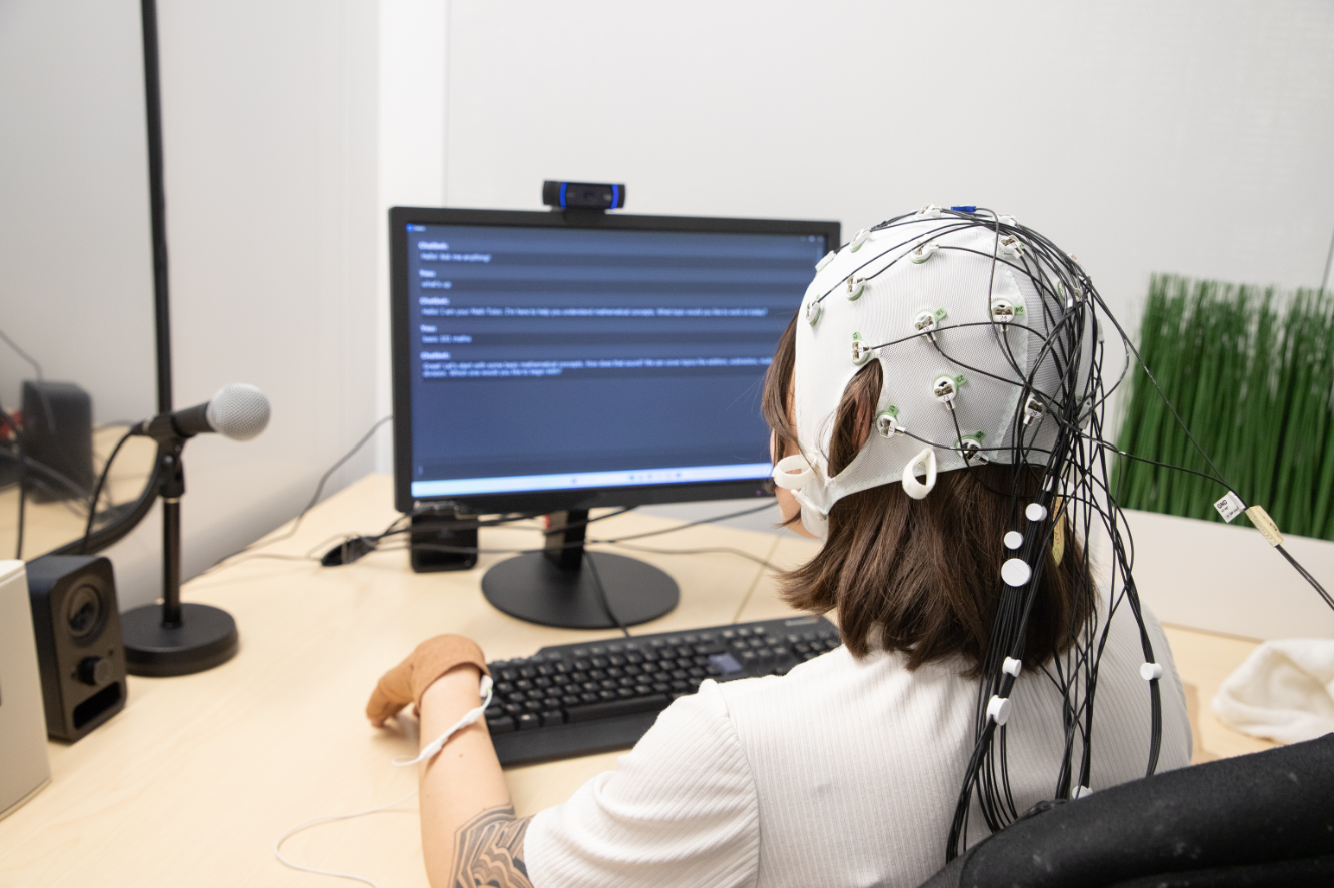
Through prompt engineering, I built tutors that adapted their delivery to each learner: more concrete and example-driven for some, more abstract and pattern-focused for others, mapped to Felder-Silverman learner profiles and written entirely into the system prompt. That choice matters for industry: Manipulating the system prompt costs nothing. Forty participants worked through a fully user-led AI-tutored math session on Venn diagrams, logarithms, and parabolas followed by a post-tutoring quiz. We recorded interaction logs, subjective measures (using validated scales), pupillometry, and EEG.
What changed
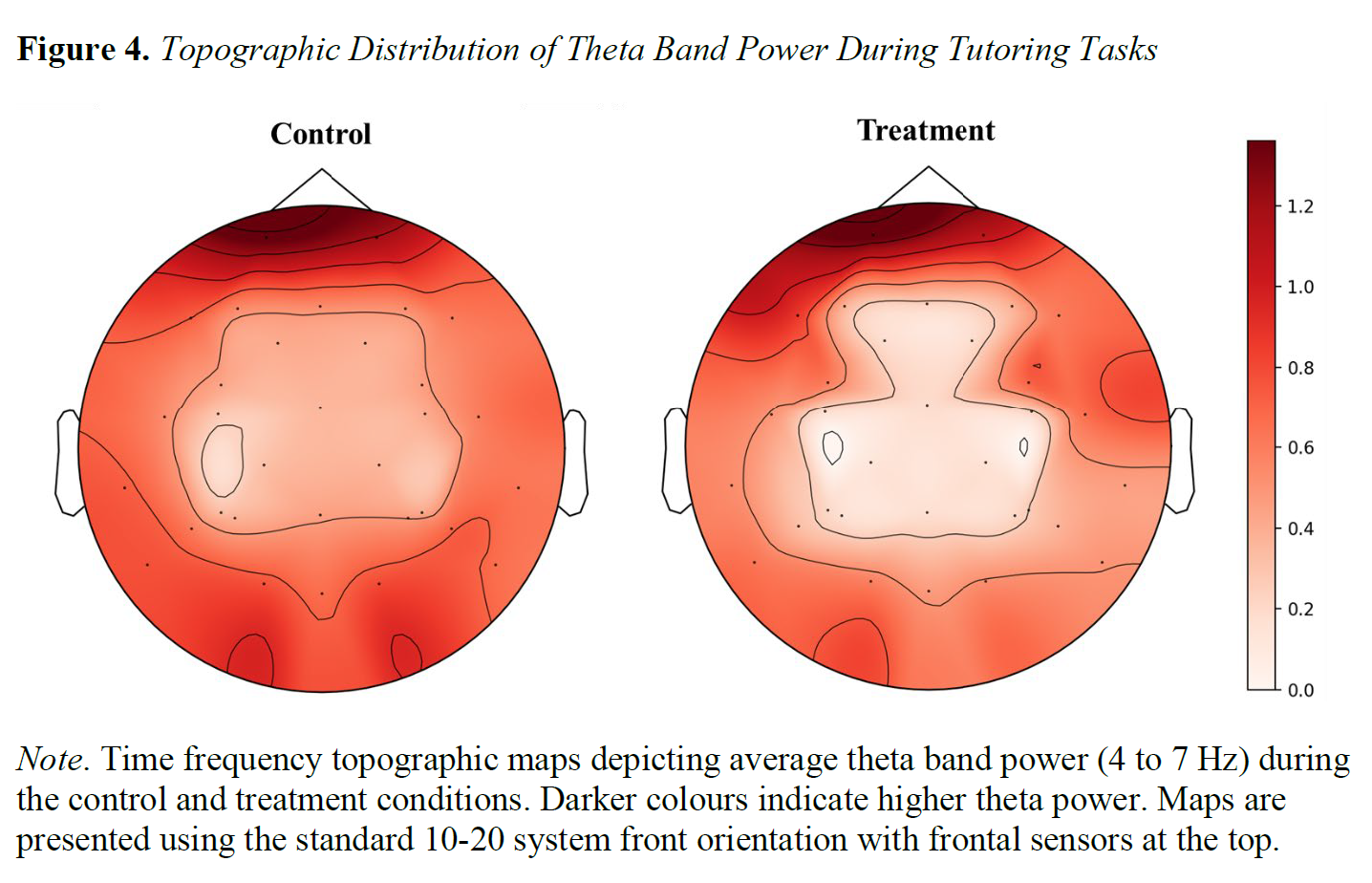
The quiz scores did not see any change across treatment conditions; however, the physiological data did see some significant results. Pupil dilation during tutoring was significantly lower with the personalized tutor, suggesting that learners processed the same material with lower cognitive load, as corroborated by the EEG results. They also engaged more, skipping fewer quiz questions and writing out more notation while working with the AI. Although test scores (outcome measures) remained untouched, the underlying interaction experience may have been influenced by the personalization of tutoring. For anyone building EdTech: a more personalized experience can make a difference, and if you only measure outcomes, you miss most of what happens (the cognitive efficiency gains). Our work was presented and published at the Florida AI Research Society's (FLAIRS) annual Conference.
Responsible AI use in Government: training and advocacy.
Role UX design & researchClient Employment and Social Development CanadaPeriod 2024–presentMethod Internal interviews & surveys with team members
The problem
ESDC employees received access to Microsoft Copilot, but not everyone knew how to use Gen AI tools confidently. My team wanted me to find ways to improve their own outputs using AI and ensure its responsible use. The Workplace Mental Health (WMH) team also wanted to make AI that could help public servants locate wellness resources much faster. With the help of the innovation team, we trialled a RAG-AI system.
What I did
I fine-tuned and tested a retrieval-augmented generation (RAG) system intended for internal use to improve findability of wellness resources. I designed personalized co-pilot agents to increase productivity and wrote AI training resources and reference guides to help colleagues use the tools. I consulted on AI implementation strategy aligned with the 13 psychological factors of a healthy workplace at ESDC action group meetings.
What changed
I built a toolkit of resources and reference guides to democratize AI knowledge and provide a starting point for using agents. Examples and use cases in the toolkit were framed around real tasks. We did not proceed with the RAG-AI project due to resource constraints.
UX ResearchResearch OperationsNot-for-profit & Public Sector
Digital equity and inclusive design starts with inclusive research practices.
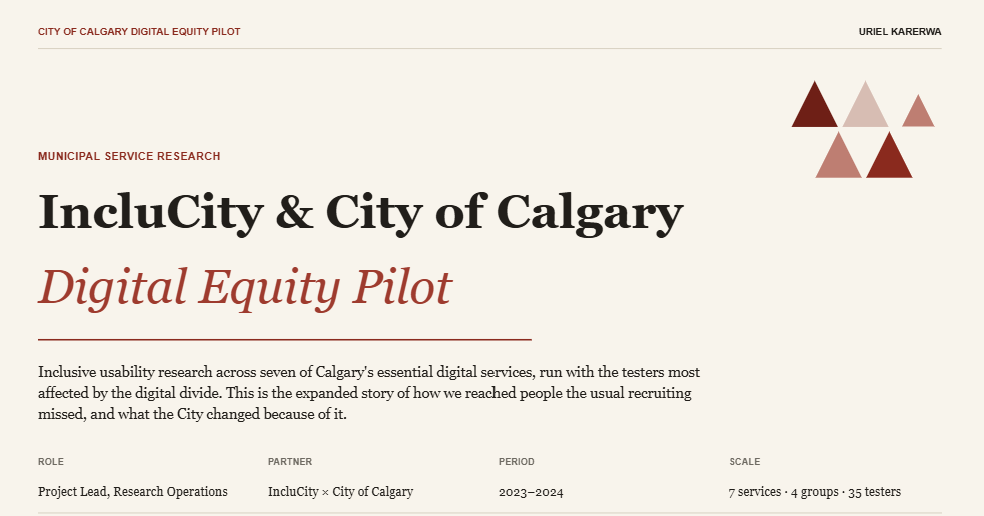
Role Project lead, research operationsPartner IncluCity × City of CalgaryPeriod 2023–2024Scale 7 services · 4 equity groups · 35 participants
The problem
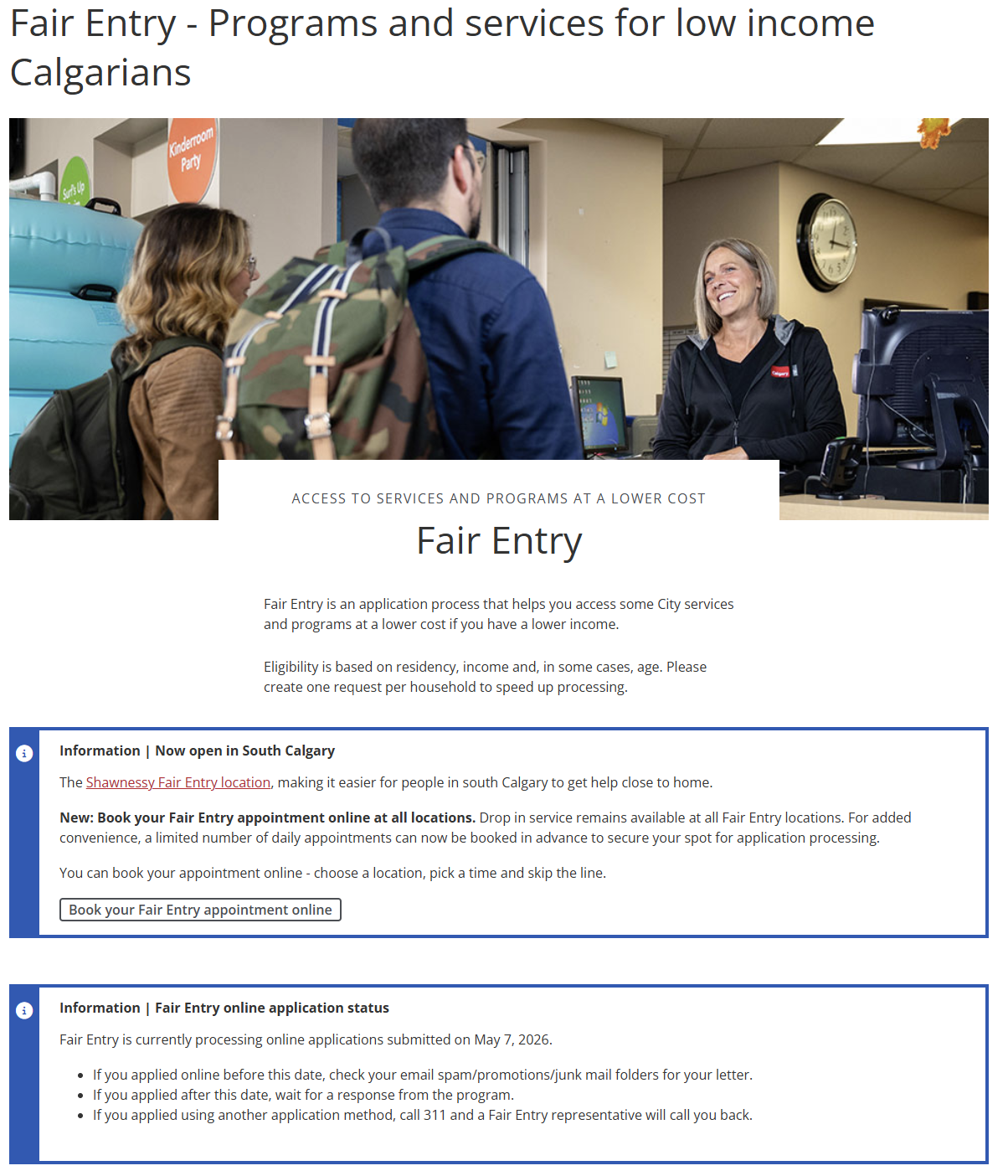
The City of Calgary digital team had tested its digital services for years, but previous testers were not the people most affected when those services failed. Newcomers, older adults, and people with disabilities using assistive technology were largely absent from the design loop. Our job at IncluCity was to support the city's efforts to recruit underrepresented groups for testing.
What I did
As the program manager, I led recruitment, project management, and volunteer coordination across roughly 20 researchers between the two teams working simultaneously on this project, with a target of four equity groups and eight participants each. Recruiting participants with disabilities was difficult: none of our 600+ existing testers met the full criteria. I put three changes in place: a referral program with incentives that opened snowball recruitment, removal of a screening rule that filtered out eligible people, and high-touch onboarding for testers who weren't answering email.
What changed
The pilot mapped 18 distinct equity challenges across seven services. Three city service teams adopted the findings (Recreation, myID, Parks), a follow-up study on people with disabilities (group 5) was approved, and mobile-plus-desktop testing for the same audience became standard.
Finding the one button that broke an insurance quote flow.
Role UX researcher (4-person team)Client Beneva, with HEC Montréal UX LabPeriod 2025Scale 2 products · 4 scenarios · 12 participants
The problem
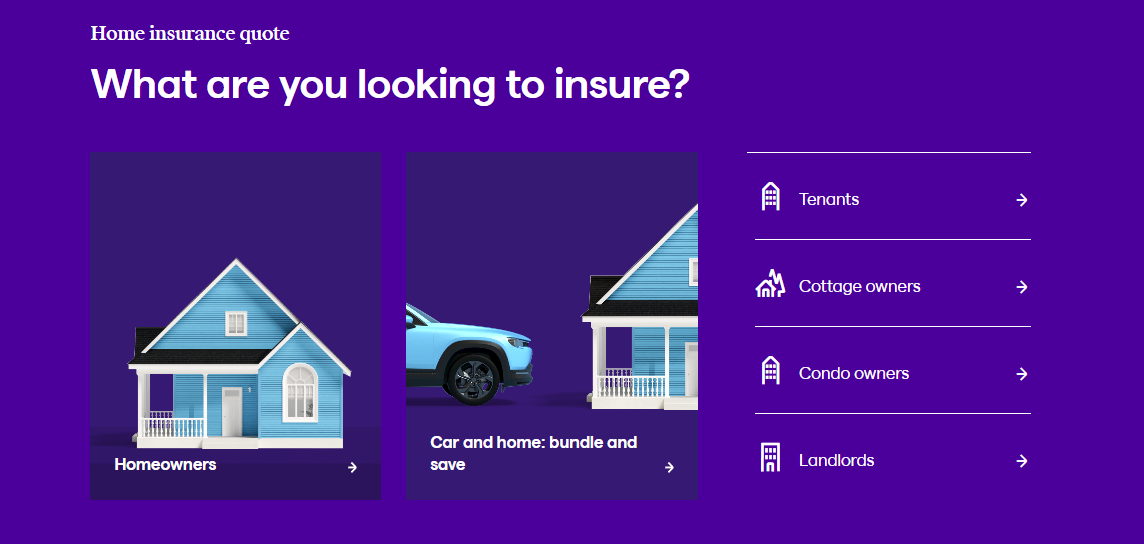
Beneva, one of Canada's largest mutual insurers, wanted to know whether real users could complete home and car quotes as smoothly as competitors advertised. They also wanted to explore why users drop off before completing a quote.
What I did
I was the study design and quantitative research specialist on this research team. We recruited 12 participants who had shopped for insurance in the past year. We evaluated both home and auto flows by separating them into two parts, making four task scenarios. We ran a mixed-methods observational study measuring scale items such as satisfaction and behavioural and system measures such as effectiveness and efficiency, and benchmarked these against competitors. Each section finished with a qualitative interview.
What changed
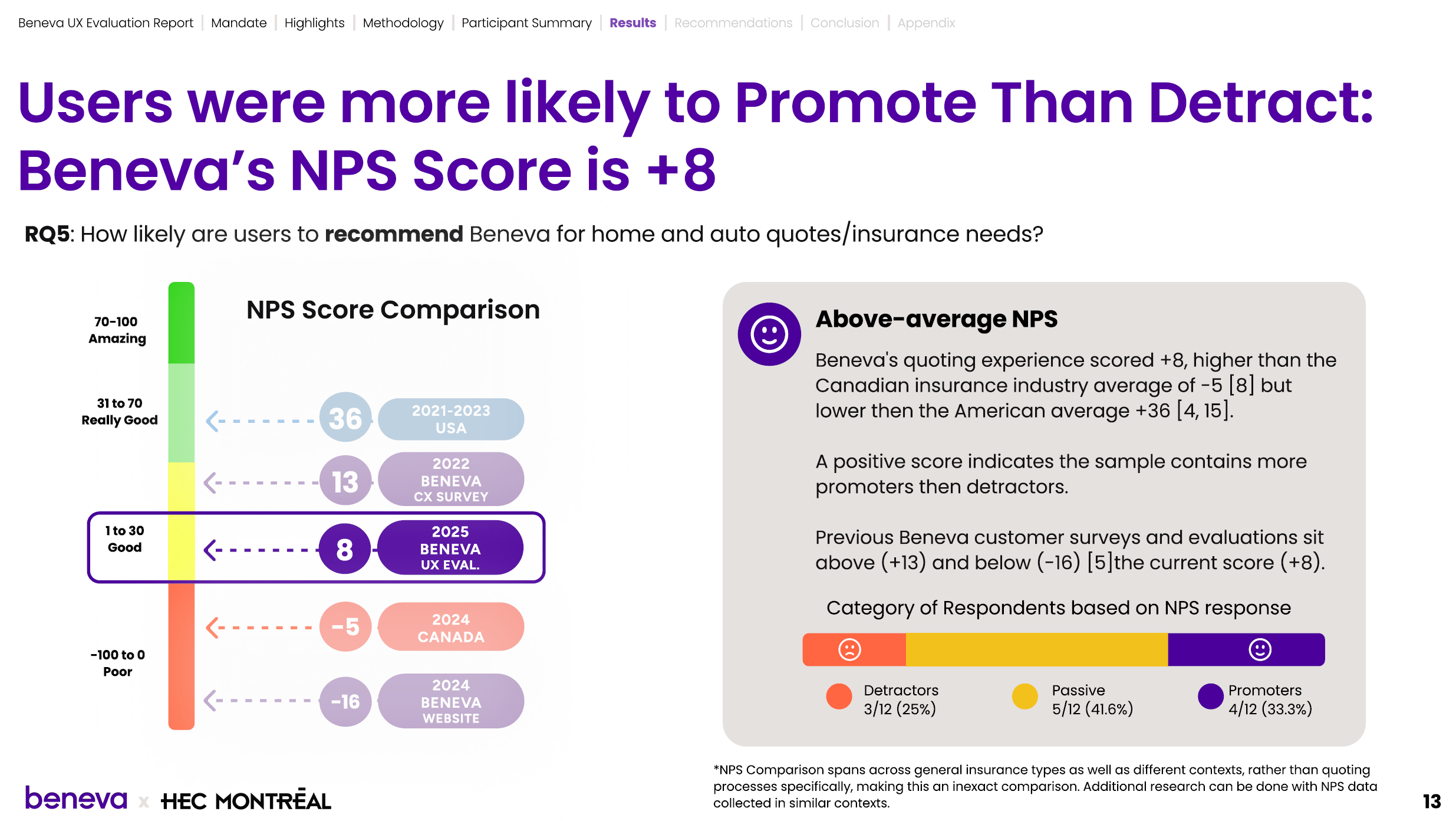
Six of twelve participants failed to complete the home-quote flow. We delivered eight prioritized fixes with severity ratings the product team could act on. I cannot openly discuss the results of this study; however, I can refer broadly to the methods and outcomes in an interview if contacted.
Agentic DeliveryDesign SystemsArts & Entertainment
What does the designer's job become when the AI writes the code?
Role Designer, researcher, strategist & vibe coderClient Faris HytiaaPeriod 2026Scale Full website designed from scratch, consolidating scattered information
The problem
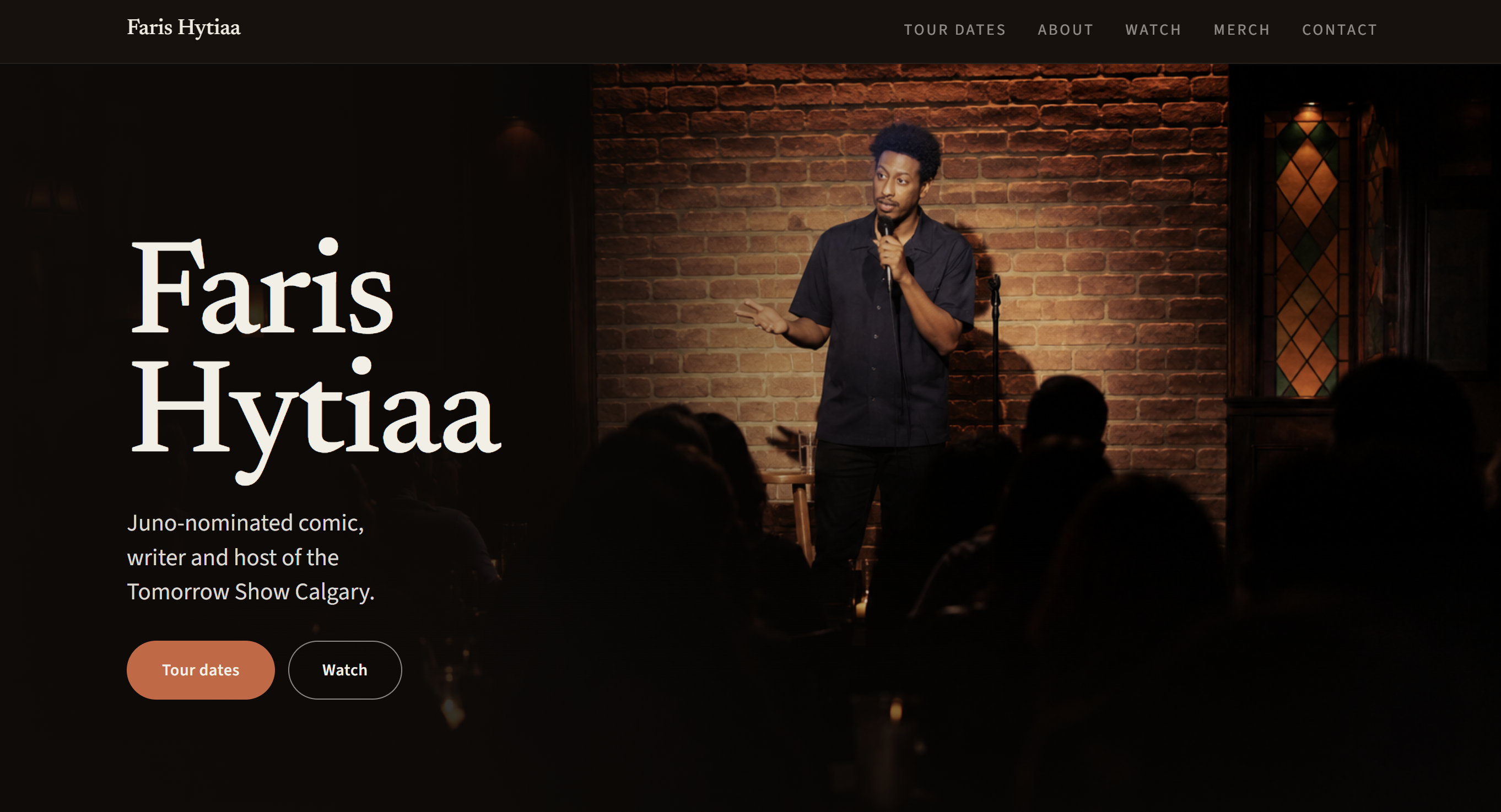
Faris Hytiaa is a Juno-nominated stand-up comedian. He had no website. Bookers, press and fans searching for him landed on Wikipedia, IMDb, and venue ticket-sales pages. His tour dates were scattered across Instagram posts, Eventbrite, a tourism-board listing and individual club box offices. He had the career, but his fans had no canonical place to find him.
What I did
I ran a full discovery-to-launch sprint in 13 hours, acting as researcher and designer while Claude Code wrote the implementation. First I had Claude help me pull together a comprehensive research dossier: every credit, festival, award, venue and press mention in the public record, sorted into confidence tiers. I had a second agent verify the information, then verified it myself. I put together a design guide (colour palette, type, site structure) built on that research; for example, the site carries his heritage through colour and light rather than flags. Then I gathered the images the site needed and optimized the code for SEO and GEO. My job was to focus on the high-level strategy and verification while Claude built.
What changed
An agent will confidently produce a plausible tour date if you let it, which is why I focused on verifying every iteration. He now has one canonical source for his dates, structured event data so those dates surface directly in search, and a documented handoff for updating it without me. Since launch, Faris has signed with a talent-management label that bought the site and the domain from me. They kept my research but restyled his site to match their brand and sit alongside the other comedians they manage.